

Corneal Collagen Cross-Linking (CXL)

Oct 7, 2011 @ 05:33 PM – by Chicago Cornea

The eye is one of the most complex and elegant organs of the human body. It’s perhaps no wonder, then, that there are so many problems that can affect a person’s vision. It’s for that reason that our Chicago cornea surgeons are ready to meet with you and help you with your various needs. We at Chicago Cornea Consultants, Ltd. are well trained and well equipped to address vision problems of many different kinds.

About Keratoconus

One such vision problem that we can help people with is keratoconus. Keratoconus is a generally common vision problem in which the cornea of the eye becomes thin and begins to protrude. The eye becomes cone shaped due to this protrusion, resulting in distorted vision.

Causes and Symptoms of Keratoconus

Keratoconus is sometimes linked to vigorous rubbing of the eyes as has also been associated with health conditions such as eczema, asthma, and various allergies. There is often a genetic factor at work with keratoconus, which basically means you run a higher chance of getting it if it runs in your family. Such matters will be taken into account by our our Chicago optometrists and ophthalmologists when you visit for a consultation.

Some common symptoms of keratoconus include:

  • Blurry vision
  • Distorted vision
  • Glare
  • Light sensitivity
  • Irritation of the corneas

Treatment Options for Keratoconus

Traditional treatments for keratoconus usually involved the use of corrective lenses to improve vision. In some cases, a corneal transplant was performed. At our practice, we offer the latest in custom cornea and LASIK technology, which is why we’re proud to offer patients corneal collagen cross-linking as a treatment.

Corneal Collagen Cross-Linking (CXL)

Though yet to be approved by the FDA, we offer corneal collagen-cross-linking (CXL) here as part of a large USA study of the procedure. The treatment has proven remarkably successful in Europe where it has been used since 1999, and we anticipate that it will eventually be approved for use here in the United States given its effectiveness.

How Corneal Collagen Cross-Linking Works

Corneal collagen-cross-linking helps to strengthen the cornea and hence resist the outward protrusion caused by keratoconus. The cornea is strengthened by reforming new crosslinks between its collagen fibers.

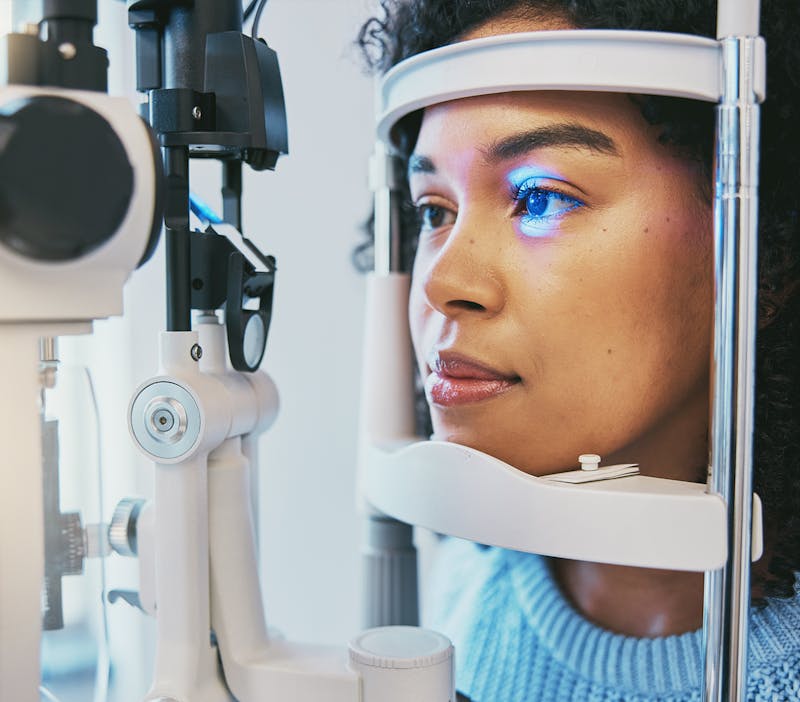
The entire treatment involves safe eye drops fortified with riboflavin administered to the cornea. The first set of eye drops are and are administered once every two minutes for 30 minutes. The second set of eye drops are administered one every two to five minutes for 30 minutes while the patient looks at an ultraviolet light.

Other Services and Procedures to Consider

We offer many other treatments at our vision correction centers, including Chicago LASIK, cataract surgery, and treatment for glaucoma. We’d be more than happy to discuss corneal collagen-cross-linking and other eye surgery topics with you in more detail during a consultation.

Learn More About Your Vision Correction Options

To learn more about keratoconus and how it can be treated, be sure to contact our Chicago corneal and refractive surgery center today. Our entire team here at Chicago Cornea Consultants, Ltd. looks forward to meeting with you.

Comments (1)

I have been so fortunate to have had the CXL procedure with Dr. Epstein. The procedure was performed 18 months ago, and my vision has improved significantly. Having exposure to this cutting edge technology n the USA as well as state of the art doctors is an honor. It has been a privilege to have had Dr. Epstein and his staff treat my keratokonus with success! ~ Posted by: Debbie, 7 months ago

Post Your Comment

Public comments are welcome. All fields are required.