
Glaucoma screening that can save eye sight.
In its most common form, glaucoma affects about 3,000,000 Americans. In order to those who help those who might not otherwise be able to afford it, the Illinois Eye Institute (IEI) has been serving patients throughout the summer with free screenings through the Glaucoma Van Project.
Staff uses the mobile van to travel up to 75 miles away from Chicago educating patients of risk factors for glaucoma and other eye diseases and performing free assessments.
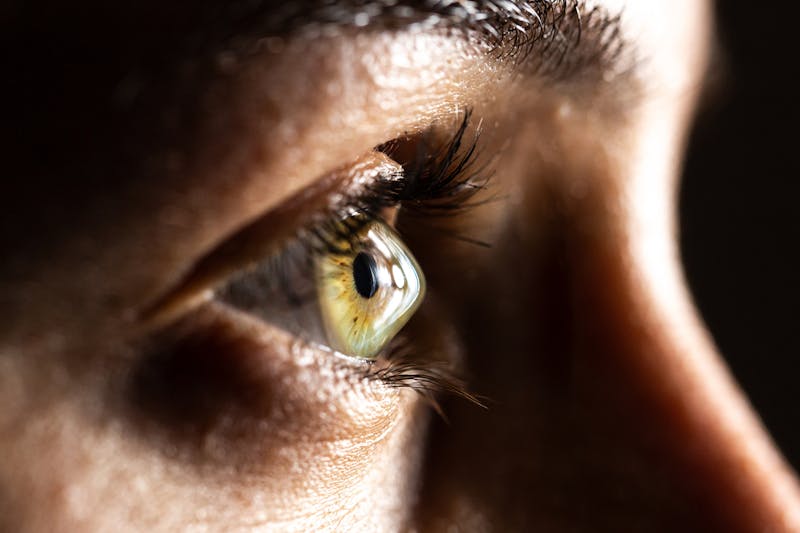
Glaucoma is a group of diseases that damage the optic nerve and can lead to blindness. It often has no symptoms until vision has been permanently decreased.
There is no cure for glaucoma and cannot be prevented but can be controlled if caught early before damage to the optic nerve. Early detection is essential in controlling the disease.
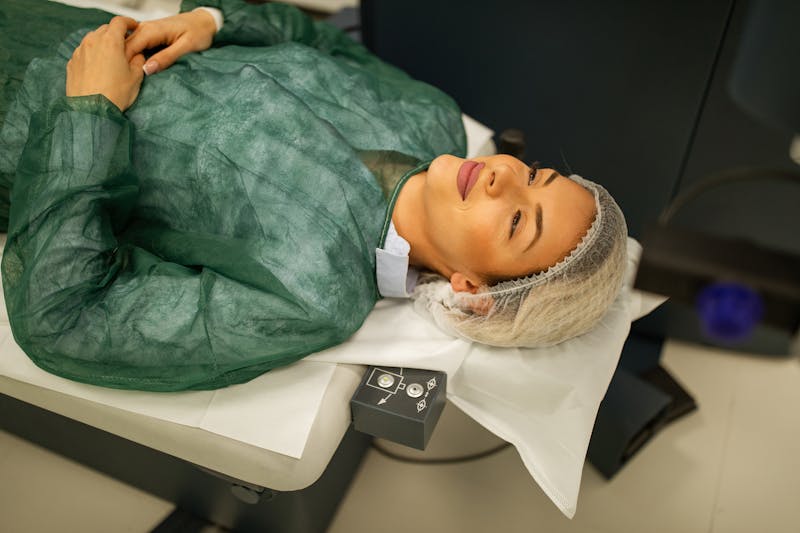
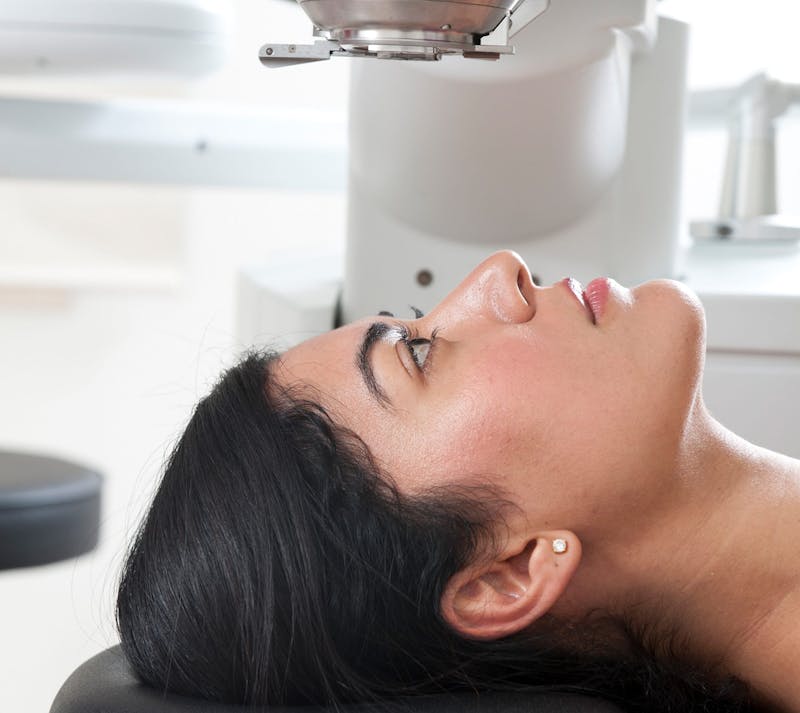
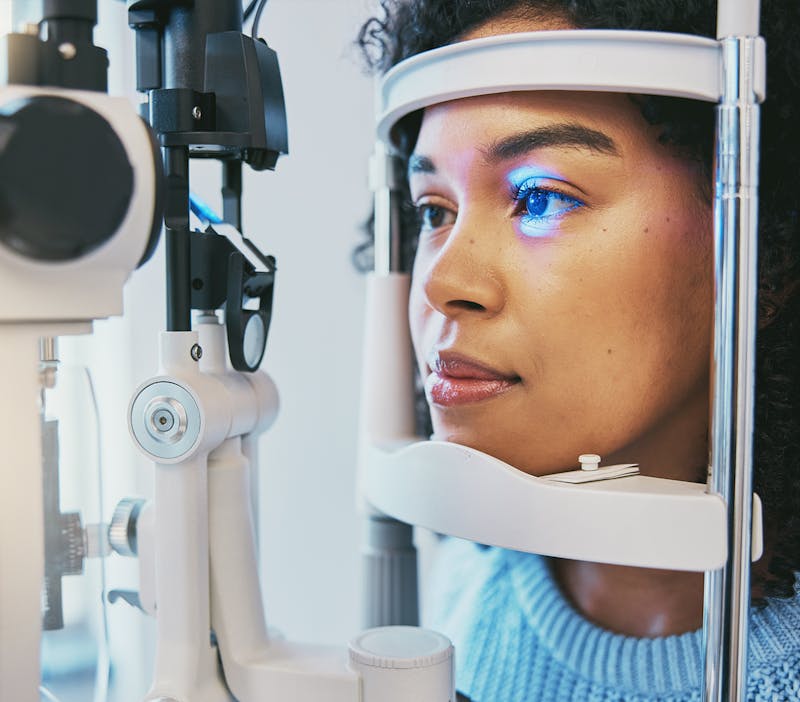
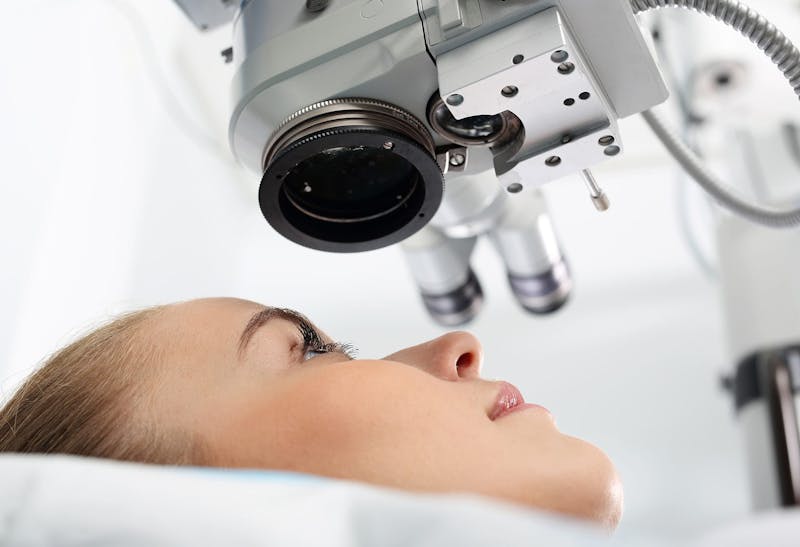
Physicians have developed quick and painless screenings for glaucoma and can screen a patient in less than 10 minutes.
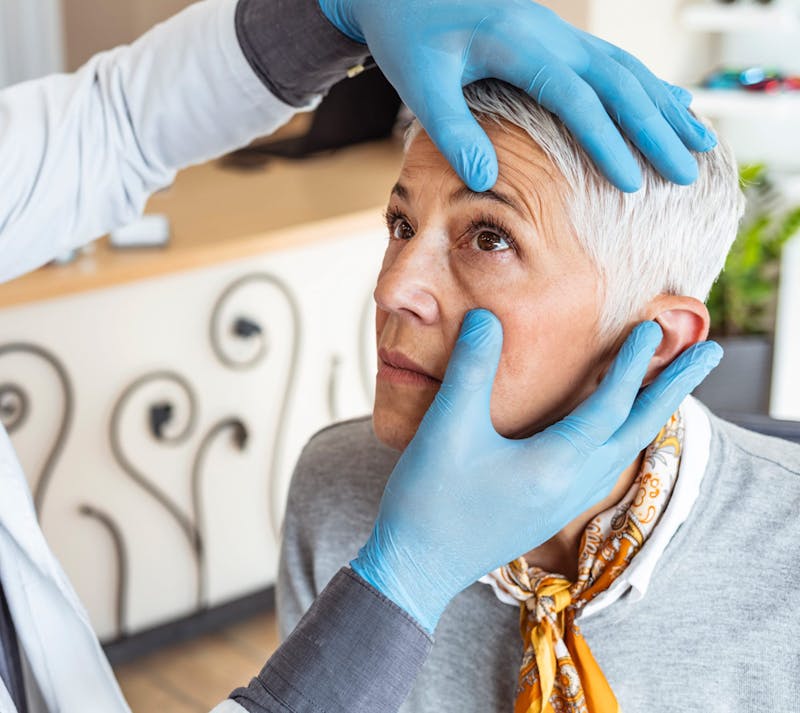
Screenings include taking case history, blood pressure check, assess visual acuity, conduct frequency-doubling technology visual field testing, the use of tono-pens and observation of the optic nerve.
Everything through the Glaucoma Van Project is free. To promote ongoing health care, staff inquires about insurance and refers patients to the ICO Vision of Hope Health Alliance (VOHHA) if they are uninsured.
In addition, many patients suffer from underlying diseases that contribute to their eye problems such as a family history of glaucoma or those with diabetes and/or high blood pressure and VOHHA connects these patients to primary health providers.
IEI also partners with other agencies to provide eye care and eyeglasses for uninsured, low-income adults.
Staff recommends that patients have ophthalmic exams every one to two years and refers some patients for ophthalmologic or glaucoma consultations based on their findings.
Patients with Medicare coverage can receive annual glaucoma screening which is a paid benefit since January, 2002 when the Congressional Glaucoma Caucus successfully passed H.R. 5543.
The Glaucoma Van Project is due in part to Advocate Health Centers which donated $10,000 and Access Community Health which donated $2,500.
IEI is the clinical division of the Illinois College of Optometry and works with physicians from the Chicago Eye Institute and the University of Chicago’s Department of Ophthalmology and Visual Sciences.
In its most common form, glaucoma affects about 3,000,000 Americans. In order to those who help those who might not otherwise be able to afford it, the Illinois Eye Institute (IEI) has been serving patients throughout the summer with free screenings through the Glaucoma Van Project.
Staff uses the mobile van to travel up to 75 miles away from Chicago educating patients of risk factors for glaucoma and other eye diseases and performing free assessments.
Glaucoma is a group of diseases that damage the optic nerve and can lead to blindness. It often has no symptoms until vision has been permanently decreased.
There is no cure for glaucoma and cannot be prevented but can be controlled if caught early before damage to the optic nerve. Early detection is essential in controlling the disease.
Physicians have developed quick and painless screenings for glaucoma and can screen a patient in less than 10 minutes.
Screenings include taking case history, blood pressure check, assess visual acuity, conduct frequency-doubling technology visual field testing, the use of tono-pens and observation of the optic nerve.
Everything through the Glaucoma Van Project is free. To promote ongoing health care, staff inquires about insurance and refers patients to the ICO Vision of Hope Health Alliance (VOHHA) if they are uninsured.
In addition, many patients suffer from underlying diseases that contribute to their eye problems such as a family history of glaucoma or those with diabetes and/or high blood pressure and VOHHA connects these patients to primary health providers.
IEI also partners with other agencies to provide eye care and eyeglasses for uninsured, low-income adults.
Staff recommends that patients have ophthalmic exams every one to two years and refers some patients for ophthalmologic or glaucoma consultations based on their findings.
Patients with Medicare coverage can receive annual glaucoma screening which is a paid benefit since January, 2002 when the Congressional Glaucoma Caucus successfully passed H.R. 5543.
The Glaucoma Van Project is due in part to Advocate Health Centers which donated $10,000 and Access Community Health which donated $2,500.
IEI is the clinical division of the Illinois College of Optometry and works with physicians from the Chicago Eye Institute and the University of Chicago’s Department of Ophthalmology and Visual Sciences.