

LASIK Recovery Guide: What to Expect in the 24 Hours, 1 Week, and 3 Months After Surgery
Choosing LASIK is an exciting step toward clearer vision and greater freedom from glasses or contact lenses. While the procedure itself is quick, understanding the recovery process can help you feel more confident and prepared before surgery day arrives.
Most patients experience significant vision improvement within 24 hours of LASIK, though healing and visual stabilization continue over the following weeks and months. Knowing what to expect during each stage of recovery can help you protect your eyes, minimize discomfort, and achieve the best possible outcome.
At Chicago Cornea Consultants, our team provides detailed aftercare guidance and personalized follow-up throughout every phase of LASIK recovery.
How to Prepare for LASIK Surgery: A Pre-Op Checklist
Preparing properly before surgery helps ensure a smoother procedure and recovery. During your consultation for LASIK eye surgery at Chicago Cornea Consultants, our team will review your eye health, vision prescription, corneal thickness, and lifestyle needs to determine whether LASIK is right for you.
Here are several important steps to follow before surgery:
- Stop wearing contact lenses 1–2 weeks before your evaluation and procedure
- Avoid eye makeup, lotions, creams, and perfume on the day before and day of surgery
- Arrange for someone to drive you home after surgery
- Eat a light meal before arriving for your appointment
- Follow all medication and eye drop instructions provided by your surgeon
One of the most important preparation steps is discontinuing contact lens use. Contacts can temporarily alter the shape of the cornea, which may affect the accuracy of your measurements and surgical planning. Allowing the cornea to return to its natural shape helps ensure more precise laser correction.
If you are still exploring whether LASIK may be appropriate for your vision goals, you can also take our LASIK self-evaluation quiz before scheduling your consultation.
What Happens on Your LASIK Surgery Day at Chicago Cornea Consultants
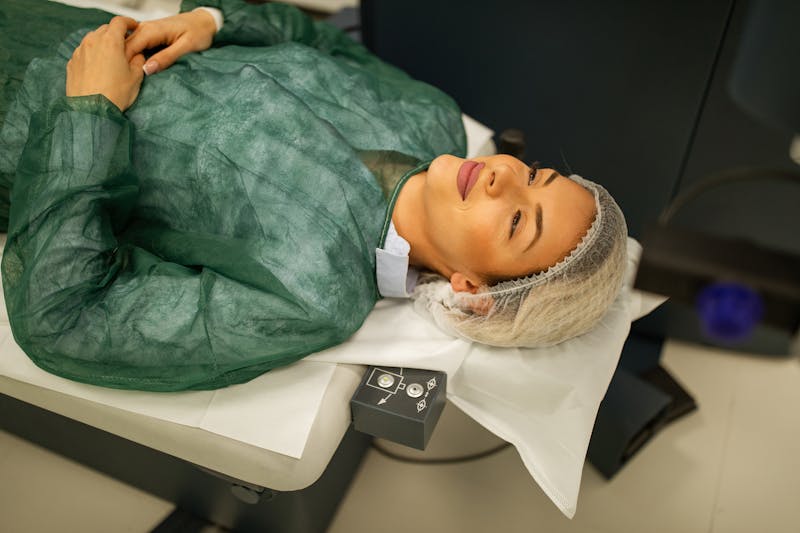
On the day of your procedure, patients are often surprised by how quick and comfortable the experience is. After arriving at the office, your eyes will be examined again and numbing eye drops will be applied to prevent discomfort during treatment.
The LASIK procedure itself typically takes about 10–15 minutes per eye. During surgery, a laser reshapes the cornea to correct refractive errors such as nearsightedness, farsightedness, or astigmatism. Most patients feel pressure during portions of the procedure but not pain.
After surgery, you will rest briefly before heading home with a friend or family member. Your surgeon will provide protective eye shields and prescription eye drops along with detailed instructions for the first several days of recovery.
The First 24–48 Hours After LASIK: What to Expect
The first two days after LASIK are focused on rest and initial healing. Mild side effects are common and expected during this period.
Many patients experience:
- Mild burning or stinging
- Tearing or watery eyes
- Light sensitivity
- Blurry or hazy vision
- A gritty sensation in the eyes
These symptoms typically improve within the first several hours after surgery. Significant vision improvement often occurs within 24 hours.
Your surgeon will prescribe medicated eye drops to help prevent infection and reduce inflammation during healing. Artificial tears may also be recommended to improve comfort and minimize dryness.
During this phase of recovery, it is important to:
- Avoid rubbing your eyes
- Rest with your eyes closed as much as possible
- Wear protective eye shields while sleeping
- Avoid driving until your surgeon clears you
- Limit screen time if your eyes feel strained
Some patients also notice temporary dryness after LASIK. If dry eye symptoms persist, additional care such as dry eye treatment at our Chicago practice may help improve comfort during recovery.
Week 1 Recovery: Activities to Avoid and Signs of Normal Healing
By the end of the first week, many patients are seeing clearly enough to resume work and most normal daily activities. However, your eyes are still healing beneath the surface, making proper aftercare especially important.
During the first week after LASIK, patients should avoid:
- Swimming pools and hot tubs
- Contact sports
- Vigorous exercise
- Dusty or smoky environments
- Eye makeup and facial products near the eyes
It is also normal to experience temporary visual fluctuations during this stage of healing. Some patients notice:
- Halos around lights
- Increased glare at night
- Mild dryness
- Fluctuating sharpness throughout the day
These symptoms are usually temporary and gradually improve as healing progresses.
However, certain symptoms should prompt an immediate call to your surgeon, including:
- Significant or worsening pain
- Sudden vision loss
- Severe redness
- Persistent discharge
- Rapid decline in visual clarity
Your post-operative appointments allow your surgeon to monitor healing closely and address any concerns early.
1–3 Month Recovery: When Does Vision Fully Stabilize?
Although many patients achieve excellent vision within days, complete visual stabilization after LASIK typically occurs over the course of 1–3 months. During this time, the cornea continues fine-tuning its healing response.
Most patients reach 20/20 vision or better relatively quickly, but subtle changes in sharpness and nighttime vision can continue improving for several months.
Your follow-up schedule may include visits:
- Within 24–48 hours after surgery
- At approximately 1 week
- At 1 month
- At 3 months or longer if needed
Nighttime halos and glare often continue improving during this period and typically resolve within 3–6 months for most patients.
Long-term satisfaction with LASIK remains extremely high. According to the American Refractive Surgery Council, 94% of LASIK patients reported they did not need prescription lenses five years after surgery.
Frequently Asked Questions About LASIK Recovery
Can I shower after LASIK?
Yes, most patients can shower the day after LASIK surgery. However, you should avoid getting soap, shampoo, or water directly into your eyes during the first several days to reduce irritation and infection risk.
When can I drive after LASIK?
Many patients can drive within 24–48 hours after surgery once vision improves sufficiently and their surgeon confirms it is safe. You should avoid driving immediately after the procedure because vision may still be blurry and light sensitivity is common.
When can I return to work?
Many people return to work within 1–3 days, particularly if they have desk-based jobs. Patients who work in dusty, physically demanding, or hazardous environments may need additional recovery time.
When can I exercise again?
Light walking is usually acceptable within a day or two after surgery, but strenuous exercise should be avoided for at least one week. Swimming, hot tubs, and contact sports typically require a longer restriction period to protect the eyes during healing.
When can I wear makeup after LASIK?
Most surgeons recommend avoiding eye makeup for about one week after surgery. Makeup particles and brushes can introduce bacteria or irritate healing tissues around the eyes.
Supporting a Smooth LASIK Recovery
LASIK recovery is generally fast, predictable, and highly successful when patients follow proper aftercare instructions. While mild dryness, halos, and fluctuating vision can occur temporarily, most people experience dramatic visual improvement within the first day and continue improving over the following weeks.
Working closely with an experienced LASIK team and attending all scheduled follow-up visits helps ensure the safest possible recovery and the best long-term visual outcome.
Schedule a Consultation