Enjoy a Hassle-Free Life

After LASIK in Chicago, many of our patients can swim, play golf and other sports, and perform their jobs without the need for glasses or contact lenses. They have a life free from the hassles of glasses and contacts. Believe it or not, LASIK eye surgery is actually less expensive than the cost of glasses and contacts over a 10-year period! LASIK is safe, effective, and has very few side effects. The procedure is relatively quick and painless. LASIK is not for everyone and does require a screening process. The first step to getting better vision through laser vision correction is to schedule a refractive surgery consultation to determine your candidacy for the procedure.

How LASIK Works: The Step-by-Step Procedure

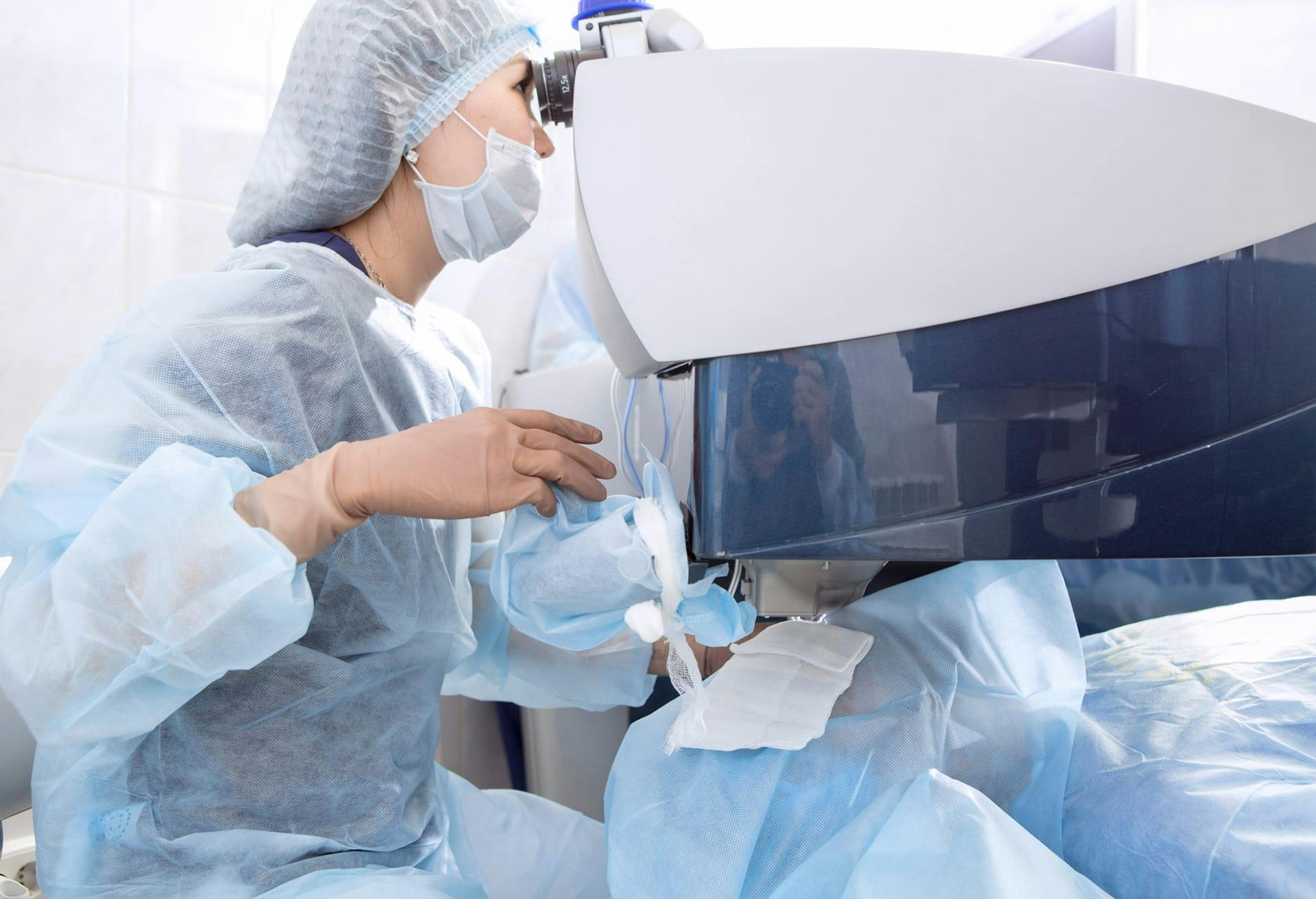
LASIK is a precise, three-step laser vision correction procedure designed to reshape the cornea and correct refractive errors such as nearsightedness, farsightedness, and astigmatism.

  1. A femtosecond laser is used to create a thin, precise corneal flap on the surface of the eye.
  2. An excimer laser then reshapes the underlying corneal tissue (stroma) to correct the refractive error.
  3. The corneal flap is gently repositioned, where it naturally adheres without stitches and acts as a protective bandage.

The entire procedure typically takes about 10–15 minutes per eye, and vision correction begins almost immediately for most patients.

To learn more about our advanced technology, visit LASIK technology at Chicago Cornea Consultants.

Background media

LASIK in Chicago

When patients are diagnosed with a visual impairment from “refractive error”, corrective lenses can usually restore clear vision. However, after years of wearing glasses or contact lenses, many patients find that they would prefer to lose that dependence.

Chicago Cornea Consultants™ provides laser vision correction to patients throughout the greater metropolitan Chicago area, including Highland Park and Hoffman Estates, as well as at Rush University Medical Center in Chicago.

The long-term benefits of LASIK eye surgery have piqued the interest of millions seeking freedom from glasses and contact lenses. Thanks to incredible technological advancements, the majority of those with myopia, hyperopia, and astigmatism are LASIK candidates.

Our Chicago practice uses only the safest and most advanced LASIK technology, making this treatment suitable for most patients wishing to view the world around them with their own eyes. To find out if you are a suitable candidate for LASIK in Chicago, schedule a consultation today.
Banner media
woman wearing glasses and smiling

When is LASIK Appropriate?

If a patient has a history of vision impairment that has been treated with corrective lenses, and they are looking for a more permanent solution, LASIK is likely an appropriate treatment option. LASIK has been traditionally used to treat mild to moderate cases of nearsightedness, farsightedness, and astigmatism. The latest LASIK technology now makes it possible to treat high degrees of nearsightedness and farsightedness as well.

LASIK is not effective in treating presbyopia, the loss of ability to focus on close-up tasks such as reading, which affects most people in their 40s or 50s. LASIK is also not an appropriate treatment for vision loss resulting from eye disease or injury. In these cases, our doctors can assess the situation and may recommend alternative treatments.

What Makes You a LASIK Candidate?

At Chicago Cornea Consultants™, we always perform an in-depth examination to make absolutely certain that LASIK in Chicago is an appropriate solution.

Generally speaking, LASIK candidates should:

  • Be 18 years of age or older
  • Have the appropriate refractive error and sufficient corneal thickness
  • Have an eye prescription that has remained stable for at least two years
  • Be free of any diseases that may increase the risks of LASIK or impede the healing process
  • Be aware of the potential risks and benefits of LASIK

In the past, many patients were concerned about having their corneas “cut” in order to have LASIK surgery.  However, we now perform LASIK surgery using the bladeless Intralase method, also known as iLASIK. The surest way to determine if LASIK is right for you is to request an appointment at Chicago Cornea Consultants™ in Chicago, Highland Park, and Hoffman Estates.

Contact us media

Are There Risks Associated with LASIK?

LASIK surgery is a safe and highly successful procedure, especially when performed on properly screened candidates. Serious complications are rare, occurring in less than 1% of cases.

Overall, more than 95% of LASIK patients report satisfaction with their vision outcomes, particularly when treated by experienced surgeons and when appropriate candidates are selected.

Certain temporary side effects are more common during healing:

    • Up to 30% of patients experience dry eye symptoms in the first 3 months, most resolving within 6 months
    • Approximately 20% of patients experience halos or glare, especially at night, which typically improve over time

    Patients with autoimmune conditions, severe dry eye, large pupils, or other risk factors may require alternative vision correction options.

    One of the most important factors in reducing risk is choosing a qualified, experienced cornea specialist who performs thorough pre-operative screening.

    Woman smiling at the beach

    Common LASIK Side Effects: What to Expect

    Some temporary visual side effects are normal during the healing process, including:

    • Halos around lights at night
    • Glare or starbursts, especially in low light
    • Dry or irritated eyes
    • Mild fluctuations in vision clarity

    These symptoms are typically temporary and improve as the eye heals over several weeks to months. In most patients, side effects resolve within 3–6 months.

    Schedule a LASIK Consultation at Our Chicago Office

    LASIK surgery is a vision correction procedure that has helped many of our patients achieve clearer vision and independence from corrective lenses.

    If you are interested in learning whether LASIK is right for you, contact Chicago Cornea Consultants™ to schedule a consultation. We are committed to helping patients achieve improved quality of life through safe, advanced vision correction and individualized care.

    Background media

    Preparing for your refractive surgery consultation? Our doctors suggest watching three short videos about your surgery options before your appointment. 

    Learning More About LASIK

    Can LASIK Be Successful after 40?

    As more people learn about the benefits and overwhelming success of LASIK surgery, more are interested in learning if they are candidates for the procedure. While LASIK can improve common…

    Read More

    7 Myths About LASIK That Simply Aren’t True

    Have you thought about LASIK but you haven’t followed through yet? Many people like the thought of a vision correction procedure like LASIK but they let their misconceptions hold them…

    Read More

    How long do LASIK results last?

    Can LASIK be redone if my vision changes?

    Is LASIK painful?

    What if I blink or move during the LASIK procedure?

    Why do I need multiple LASIK follow-up visits?

    Can both eyes be treated on the same day?

    Will I still need glasses after LASIK?

    How soon can I use screens again after LASIK?

    How long do LASIK results last?

    LASIK results are designed to be long-lasting. For most patients, the corneal reshaping is permanent. However, natural age-related changes such as presbyopia (difficulty reading up close after age 40) can still occur over time and may require reading glasses later in life.

    Can LASIK be redone if my vision changes?

    In some cases, an enhancement procedure can be performed if vision changes slightly after healing. This is uncommon but possible depending on corneal thickness, healing response, and stability of the original result. Your surgeon will evaluate whether you are a candidate for a retreatment.

    Is LASIK painful?

    Most patients report no pain during LASIK due to numbing eye drops used before the procedure. Some may feel mild pressure for a few seconds during the flap creation step, but discomfort is minimal. After surgery, mild irritation or dryness may occur for a few hours.

    What if I blink or move during the LASIK procedure?

    The eye is gently stabilized using a specialized device, and the laser system is equipped with advanced eye-tracking technology that follows micro-movements in real time. This ensures precision even if small movements occur.

    Why do I need multiple LASIK follow-up visits?

    Follow-up visits allow your surgeon to monitor healing, ensure proper flap positioning, and track visual stability. These visits are an important part of safety and help detect rare issues early, even if you feel your vision is already clear.

    Can both eyes be treated on the same day?

    Yes. LASIK is almost always performed on both eyes during the same session. This allows for balanced healing and faster overall visual recovery.

    Will I still need glasses after LASIK?

    Most patients achieve 20/20 vision or better and no longer need glasses for distance vision. However, patients over 40 may still need reading glasses later due to natural age-related changes, even after successful LASIK.

    How soon can I use screens again after LASIK?

    Many patients can use screens within 24 to 48 hours, but it is recommended to limit screen time during the first day to reduce dryness and eye strain. Artificial tears can help with comfort during screen use in early recovery.

    Contact us media
    Accessibility: If you are vision-impaired or have some other impairment covered by the Americans with Disabilities Act or a similar law, and you wish to discuss potential accommodations related to using this website, please contact our Accessibility Manager at (847) 882-5900.
    Contact Us